28 November 2026
Details to Check Before Booking a Desert Buggy Ride
Presented by @getbuggydubaifocus
A desert buggy ride can be the most memorable part of a trip, but the experience depends on more than choosing a vehicle with a loud engine. Before booking, look closely at what is included, who can ride, how the route works, and what happens if plans change. A few careful checks help match the ride to your comfort level and avoid surprises on the day.
Match the ride to the people going
Start with the basics: driver age rules, passenger limits, and whether the vehicle suits the group. A single-seater buggy gives the driver more control and a more direct feel, while a passenger buggy works better for two people who want to share the experience. If children are part of the booking, confirm whether they can ride, where they sit, and whether there are height or age requirements. These details matter because a vehicle that is perfect for one group may be unsuitable for another.
Driving experience is another point to weigh. Some routes suit steady drivers who are happy with slow turns and open stretches. Others involve faster sections, sharp bends, and changing sand conditions. If anyone in the group is nervous, choose a format with clear guidance and a controlled pace. A good ride should feel exciting without making riders feel pushed beyond their limits.
Check what the booking actually includes
Read the booking details line by line. Look at the duration, the route type, the number of stops, and whether the activity is a shared outing or a private session. The words used in listings can sound similar, yet the day can feel very different. Short laps and tours may focus on driving time, while longer options often include photo stops, short breaks, or time in the desert away from the busiest areas.
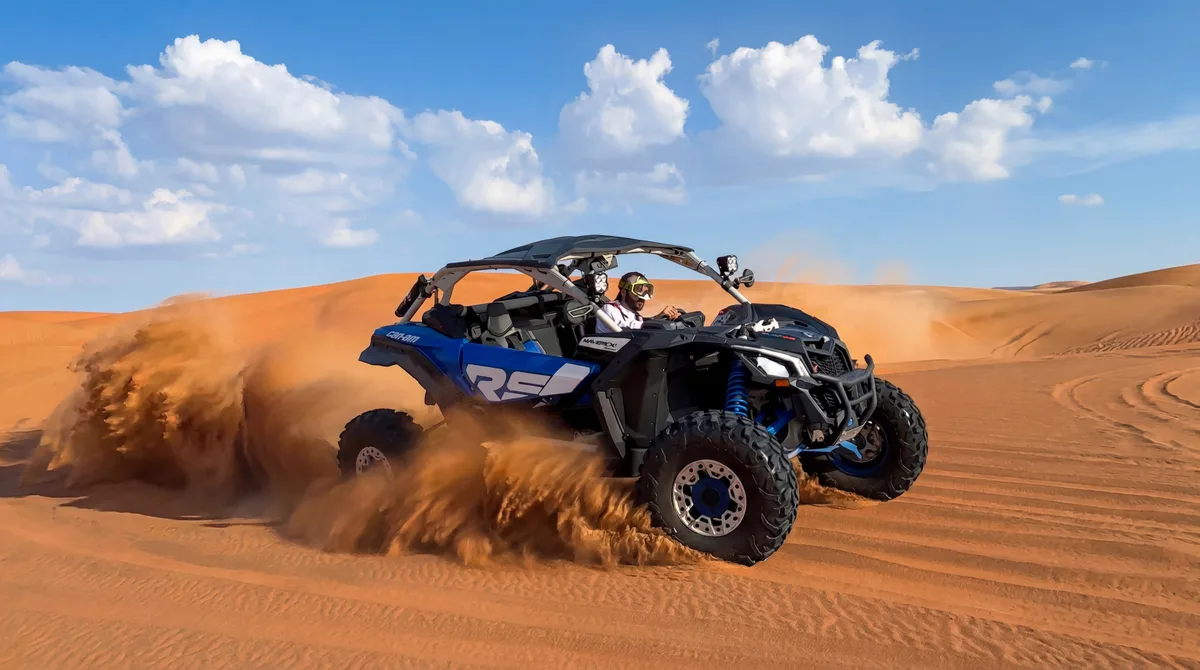
Transport is worth checking too. Some experiences include pickup and drop-off, while others require guests to arrive independently. If transport is included, confirm the pickup area, the meeting point, and whether the return drop-off follows the same route. This is especially useful when the day is part of a wider desert safari plan, since timing can affect the rest of the itinerary.
When comparing buggy dubai options, pay attention to the inclusions rather than the headline alone. A longer session is not always better if much of it is spent waiting, briefing, or moving between points. A shorter, well organised ride can feel more rewarding than a package with extra features that do not interest you.
Look closely at safety gear and briefing
Safety gear should be treated as a core part of the experience, not a minor detail. Check whether helmets are provided, whether they are available in suitable sizes, and whether sealed or clean options can be requested. Gloves, goggles, and face coverings can also make a difference in sand, especially when the wind picks up. Loose scarves, flowing clothing, and unsecured bags are best avoided around any off-road vehicle.
A clear briefing should explain the route, hand signals, speed limits, following distance, and what to do if the group stops. Ask how the guide manages the group and what happens if a driver feels uncomfortable. The answer reveals a lot about how the ride is run. A calm, structured briefing usually leads to a better day than a rushed start.
Do not ignore health and mobility requirements. Buggies can involve bouncing, vibration, dust, and sudden changes in direction. Guests with back problems, neck issues, pregnancy, or other medical concerns should seek suitable advice before booking. If there is doubt about fitness for the activity, it is better to ask before the day rather than decide at the starting point.
Understand the route and driving conditions
Sand dunes are not a fixed track. Wind, recent use, and temperature can change the surface, so the route may feel different from one day to the next. Ask whether the ride follows open desert, marked trails, or a mix of both. Also check how much of the session is actually spent driving and whether stops are built into the plan.
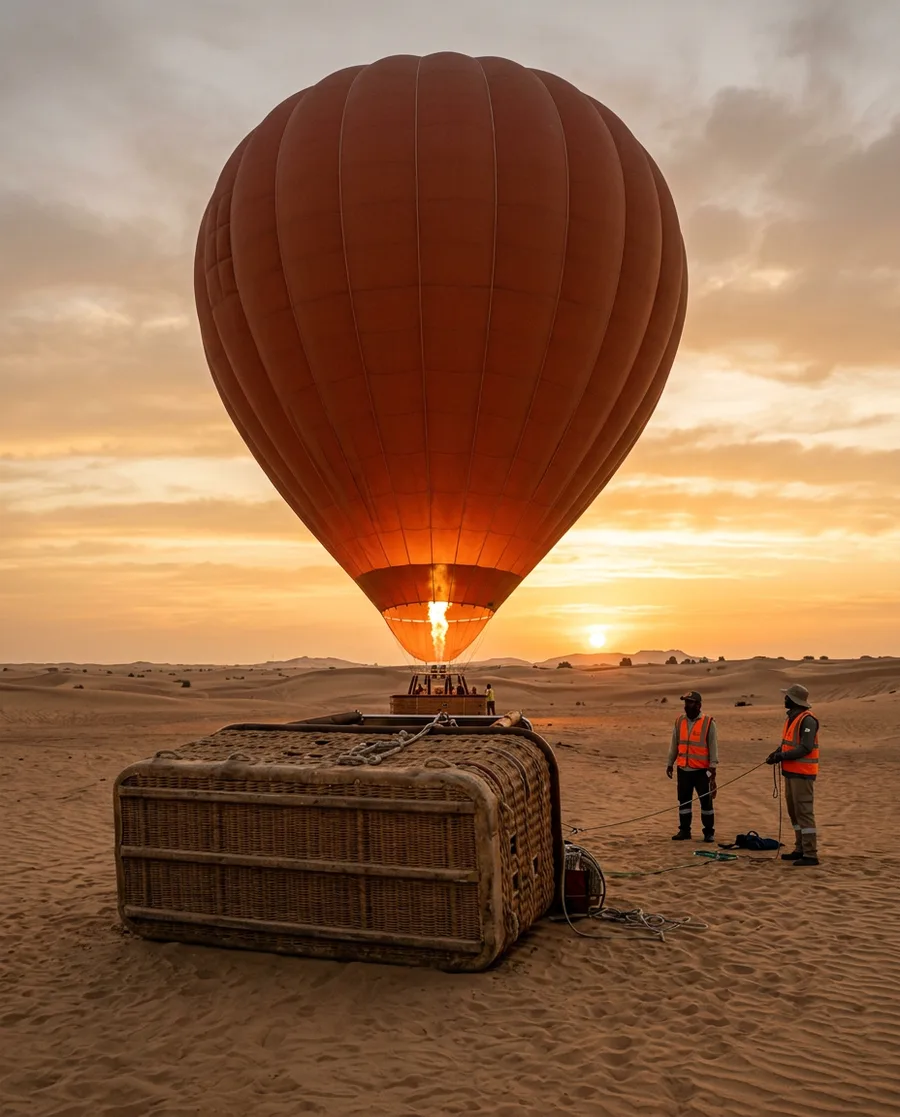
The level of difficulty should suit the least confident driver in the group, not the most experienced one. Steep slopes, soft sand, and tight turns can be demanding, even for people who drive regularly on roads. Off-road driving asks for smooth inputs, patience, and attention to the vehicle ahead. A route that allows a steady pace often gives riders more time to enjoy the landscape instead of focusing only on control.
Weather can shape the experience. Heat affects comfort, while wind can reduce visibility and make sand feel more uncomfortable. Check whether there is shade at the meeting area, whether water is available, and what the plan is during poor conditions. No one can control the weather, but a sensible plan makes the day easier to manage.
Confirm timing, rules, and flexibility
Before paying, check the start time, arrival time, and how long the full experience lasts. The advertised driving time may not include check-in, paperwork, safety briefing, or transport. Knowing the full schedule helps avoid rushing, especially if another activity follows. Late arrivals can disrupt a group, so confirm what happens if the party is delayed.
Cancellation and change rules deserve the same attention as the ride itself. Look for the deadline for changes, what counts as a valid reason, and whether weather can affect the schedule. Clear terms are useful because travel plans shift, and a desert activity can depend on conditions outside anyone's control. If the rules are unclear, ask for clarification before booking rather than after.
Group size also changes the feel of the day. A smaller group may offer more space and less waiting, while a larger one can create a social atmosphere. Neither is automatically better. The right choice depends on whether the priority is quiet driving time, shared energy, or a balance of both.
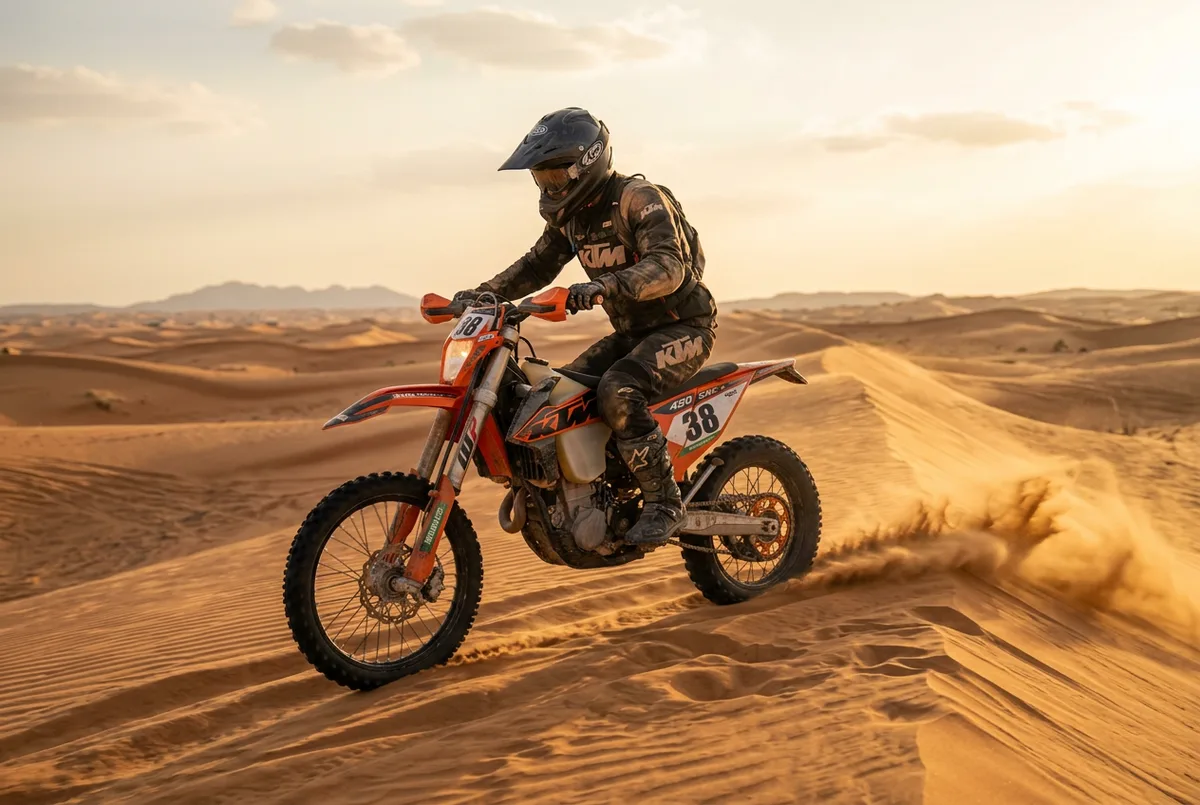
Ask practical questions before you commit
A short set of questions can clear up most uncertainty:
- Who is allowed to drive, and what rules apply to passengers?
- What is included in the session, from gear to transport and stops?
- How difficult is the route for a first-time off-road driver?
- What is the plan if weather or group delays affect the schedule?
- What are the change and cancellation terms before the activity date?
The answers should be direct and easy to understand. If a reply feels vague, ask again in a more specific way. A well described ride helps you judge whether the pace, setting, and level of support fit your plans. That preparation is what turns a promising booking into a day that feels well spent.